
Modern life has made sitting unavoidable for many of us. We sit while working, commuting, eating, watching television, and even socialising. Yet despite how normal it has become, prolonged sitting places significant strain on the body and can gradually affect our muscles, posture, circulation, digestion, energy levels, and overall wellbeing.
In fact, sedentary living has become so widespread that prolonged sitting is often referred to as “the new smoking.” While this comparison may sound dramatic, research continues to show strong links between excessive sitting and a wide range of physical and mental health concerns.
The human body was designed for movement. We are built to walk, bend, squat, twist, climb, stretch, and breathe deeply. However, modern lifestyles often keep us fixed in the same seated position for hours at a time, creating muscular imbalances, reduced mobility, tension, fatigue, and poor posture.
In this article, we will explore how prolonged sitting affects the body and mind, which muscles suffer the most, and what you can do to reduce the impact through movement, stretching, yoga, and healthier daily habits.
Why Movement Is Essential for the Human Body
The body depends on movement for nearly every major function to operate efficiently.
Our muscles, joints, nervous system, circulation, digestion, lymphatic system, and even brain function all rely on regular movement to stay healthy. Unlike the cardiovascular system, which has the heart to pump blood around the body, the lymphatic system depends almost entirely on muscular movement to circulate fluid and remove toxins.
When we stop moving for long periods, circulation slows down, muscles weaken, joints stiffen, posture collapses, and energy levels begin to drop.
Movement supports:
- healthy joints and bones
- good circulation
- stronger muscles
- improved posture
- better concentration
- nervous system regulation
- emotional wellbeing
- detoxification and immune function
Simply put, movement is medicine for the body.

HOW PROLONGED SITTING AFFECTS THE BODY
Posture, Neck & Shoulders
Most people naturally begin slouching after sitting for only a few minutes. Over time, this collapsed posture places strain on the spine, neck, shoulders, and upper back.
Forward head posture and rounded shoulders can lead to:
- neck pain
- tension headaches
- shoulder tightness
- reduced mobility
- muscle fatigue
- upper back stiffness
Long hours at a desk particularly overload the trapezius muscles, which often become tense, painful, and chronically overworked.
Hip Flexors & Lower Back Pain
Sitting keeps the hips in a constantly shortened position. As a result, the hip flexors gradually tighten and pull on the pelvis and lower spine.
This can contribute to:
- lower back pain
- anterior pelvic tilt
- reduced core activation
- poor posture
- tightness in the front of the hips
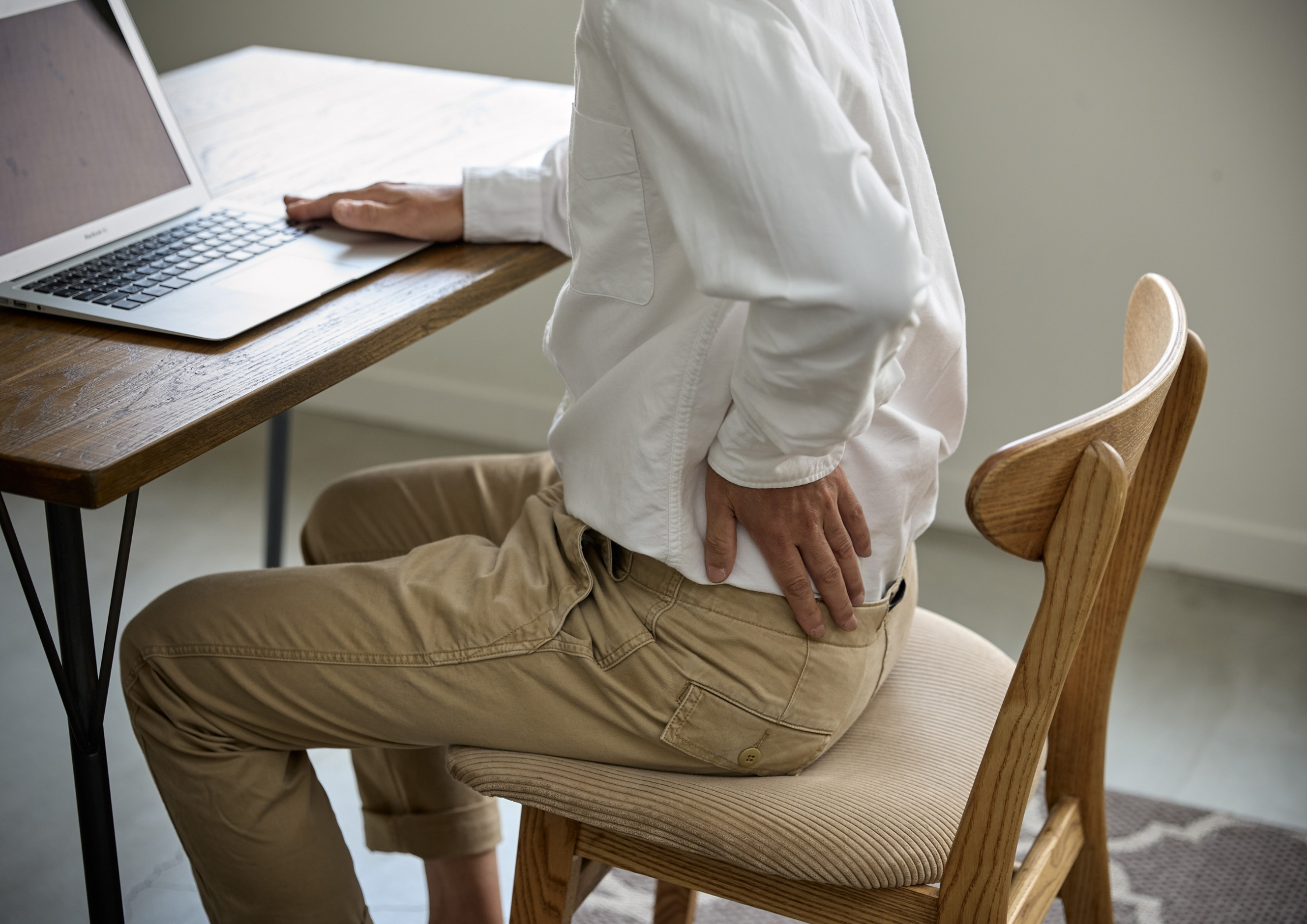
One of the most affected muscles is the psoas, a deep hip flexor connected directly to the lumbar spine. Chronic tightness in this muscle can create compression in the lower back and contribute to pain throughout the body.
Because everything in the body is connected, tight hips often affect the knees, feet, posture, and even breathing patterns.
Hamstrings & Leg Circulation
When we sit for extended periods, the hamstrings remain compressed and shortened for hours at a time. Over time, this can reduce flexibility, circulation, and muscular function.
Poor circulation from prolonged sitting may also contribute to:
- swollen ankles
- varicose veins
- leg fatigue
- muscle weakness
- stiffness and reduced mobility
Regular stretching and walking help restore blood flow and muscular balance.
Digestion & Organ Function
Sitting compresses the abdomen and internal organs, which can slow digestion and affect breathing mechanics.
This may contribute to:
- bloating
- constipation
- sluggish digestion
- shallow breathing
- reduced oxygen intake
Because posture directly affects the diaphragm, collapsed sitting also reduces the body’s ability to breathe deeply and efficiently.
Brain Function & Mental Wellbeing
The longer we remain inactive, the more sluggish the brain can become.
Reduced circulation and oxygen supply may contribute to:
- fatigue
- brain fog
- reduced concentration
- lower mood
- decreased motivation
Movement increases circulation, stimulates endorphins, and helps regulate the nervous system, which is why even short movement breaks can dramatically improve mental clarity and mood.
How to Reduce the Effects of Prolonged Sitting
The good news is that even small daily changes can significantly improve the way your body feels and functions.

Standing Meeting

Floor Desk
Helpful habits include:
- standing up every 30–45 minutes
- walking during phone calls
- taking movement breaks throughout the day
- stretching regularly
- improving sitting posture
- using a standing desk when possible
- sitting cross-legged on the floor occasionally
- walking more whenever possible
- practising yoga and mobility exercises
- receiving massage or bodywork
The key is consistency rather than perfection.
Shoulders, Neck & Back
We tend to associate shoulder pain with sports such as tennis and baseball, or with the aftermath of moving around our living room furniture. Few would ever suspect that the cause is often something as typical and inactive as sitting at our desks. However, it turns out that staring at our computer screens for more than eight hours a day can have an enormous impact on our shoulders’ deltoid, subclavius, and trapezius muscles. Slumping forward overextends the shoulder and back muscles particularly the trapezius which connects the neck and the shoulders. Muscle fatigue of the trapezius can cause two different conditions. First, the over-activity of the trapezius compresses the spinal segments of cervico-thoracic junction and causes a beefy hump to develop at the top of the back. This is the so called dowager’s hump. The neck and upper back become painful from the chronic compression. Over time, neck movements become stiff and the upper body becomes more stooped. The shoulders lose mobility as the pectoral muscles adaptively shorten and the elbows develop flexion contractures.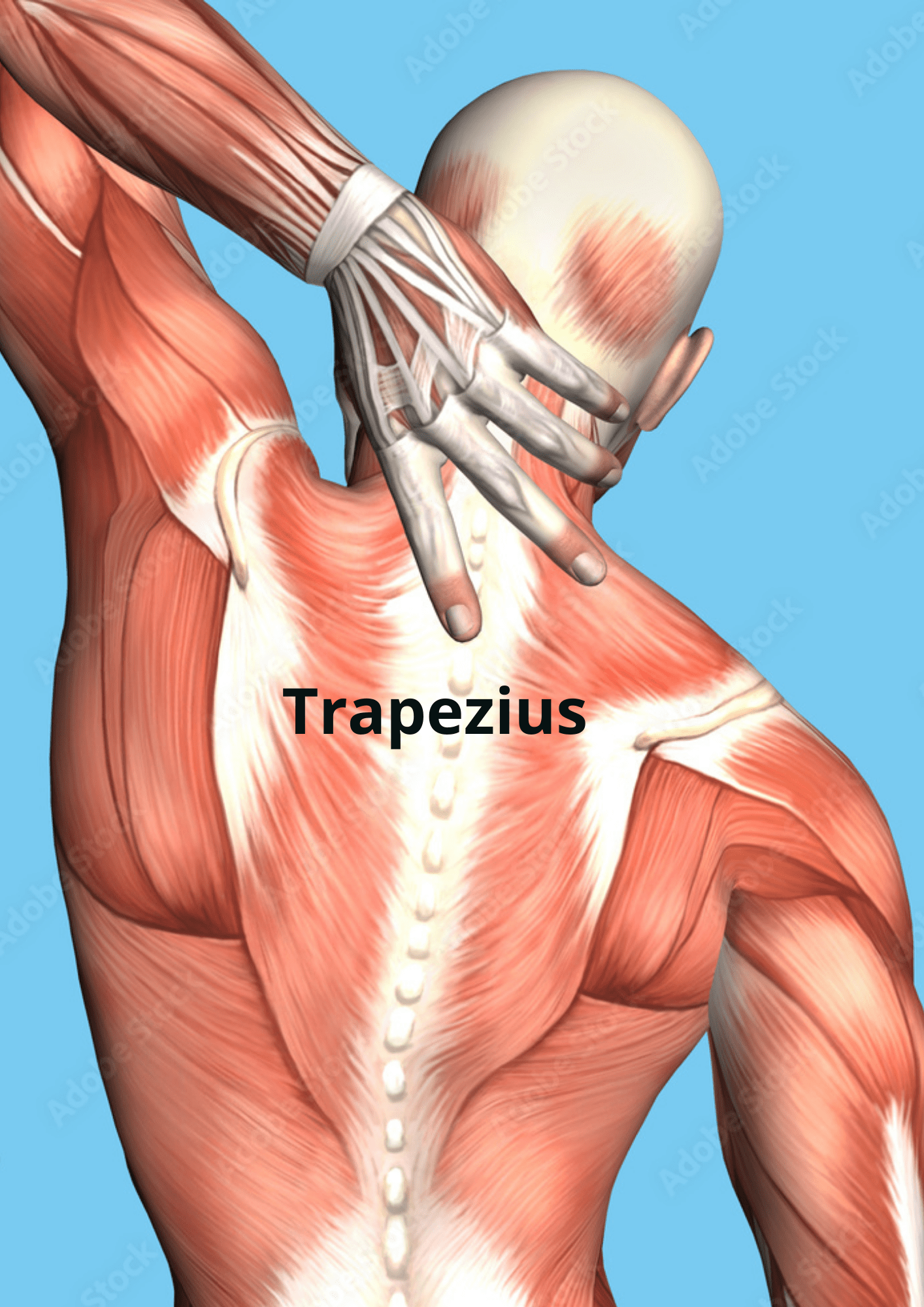
Yoga & Stretching for Desk Workers
Yoga can be especially beneficial for counteracting the effects of sedentary living because it combines:
- stretching
- strengthening
- posture awareness
- breathwork
- nervous system regulation
Focus particularly on:
- chest openers
- spinal mobility
- hip opening
- hamstring stretches
- neck and shoulder release
Even 10 minutes of mindful movement can make a significant difference.
I you are looking for more help with stretchimg, mobility and nervous system balance you can check the following links to my offerings:
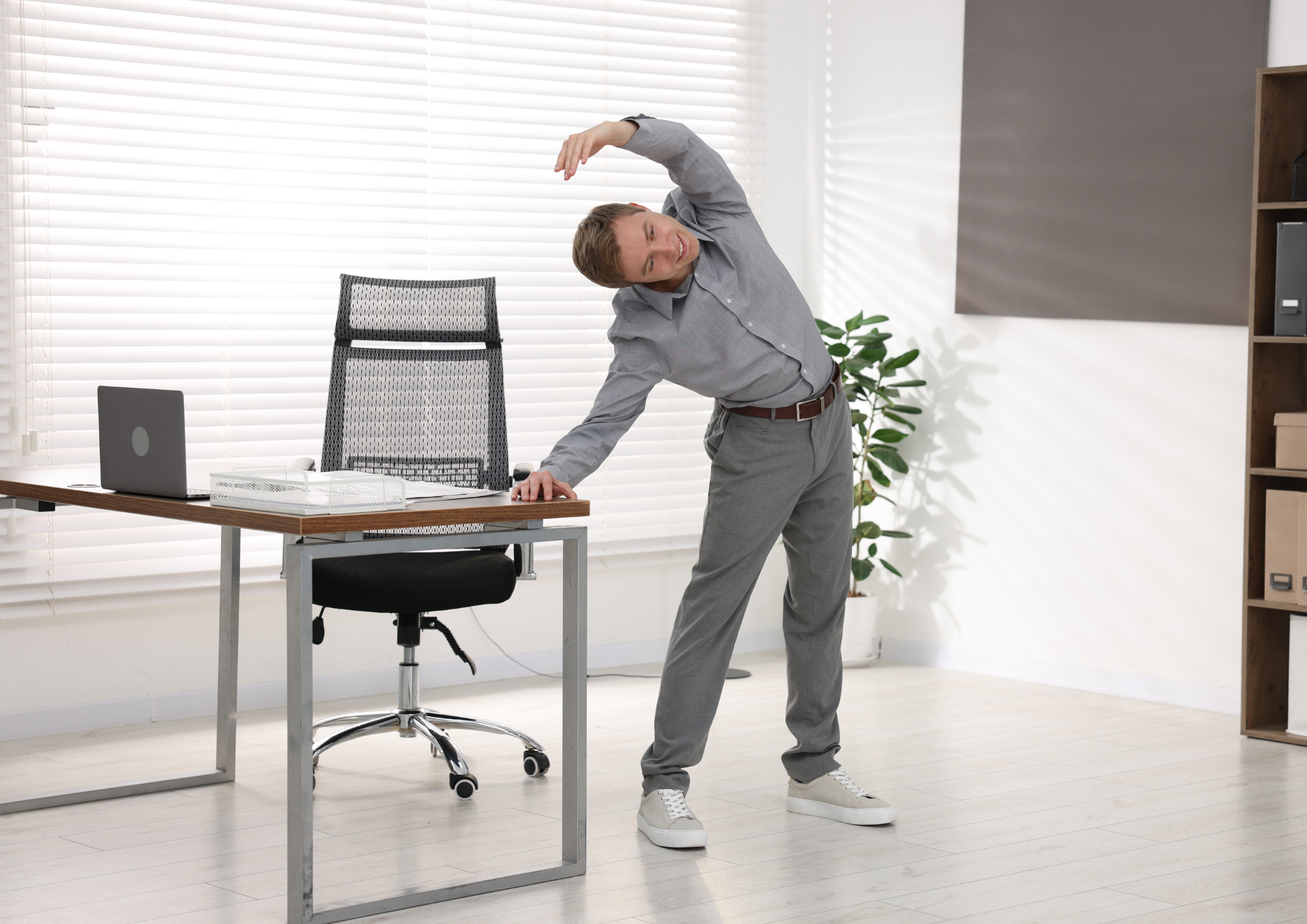

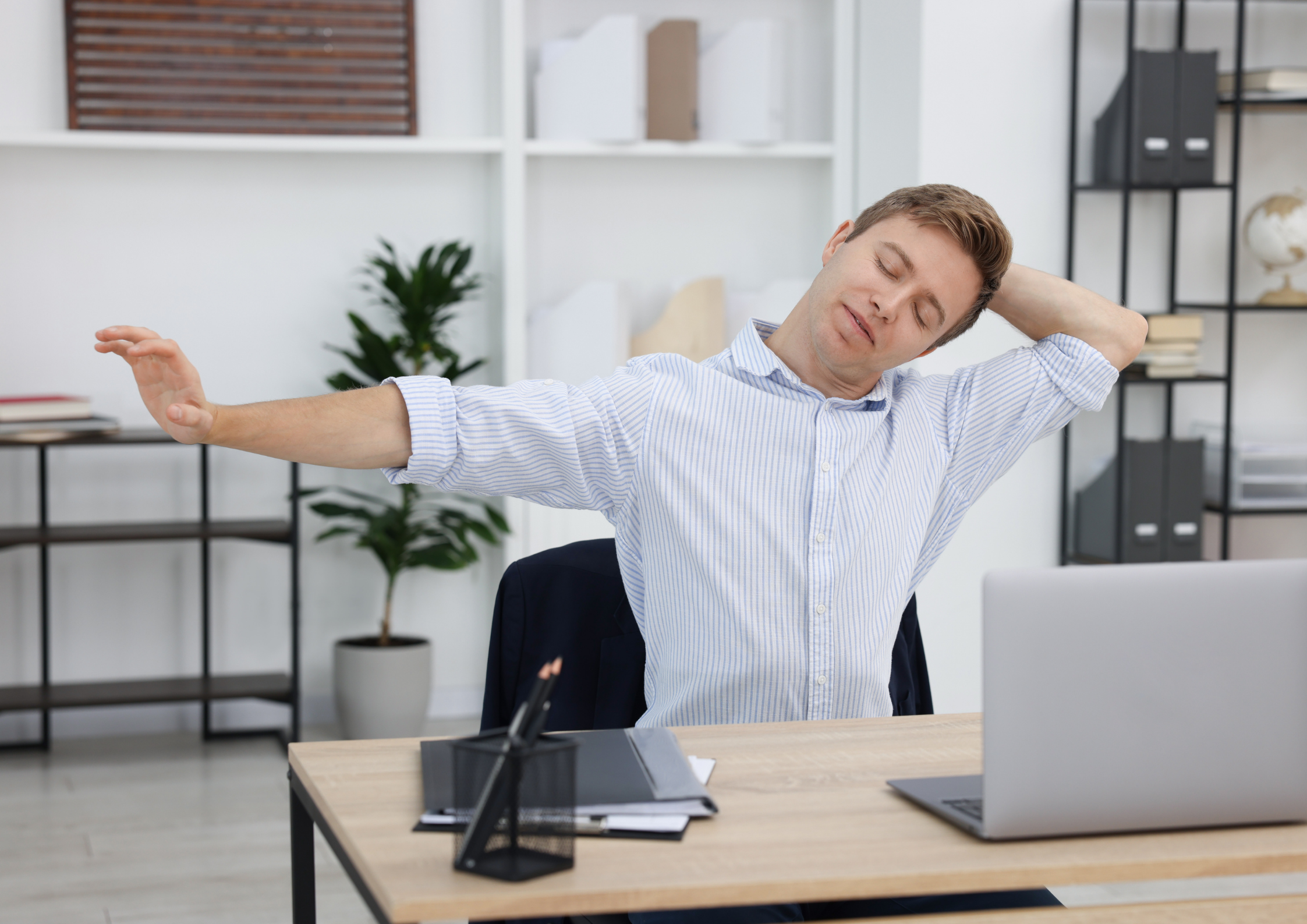
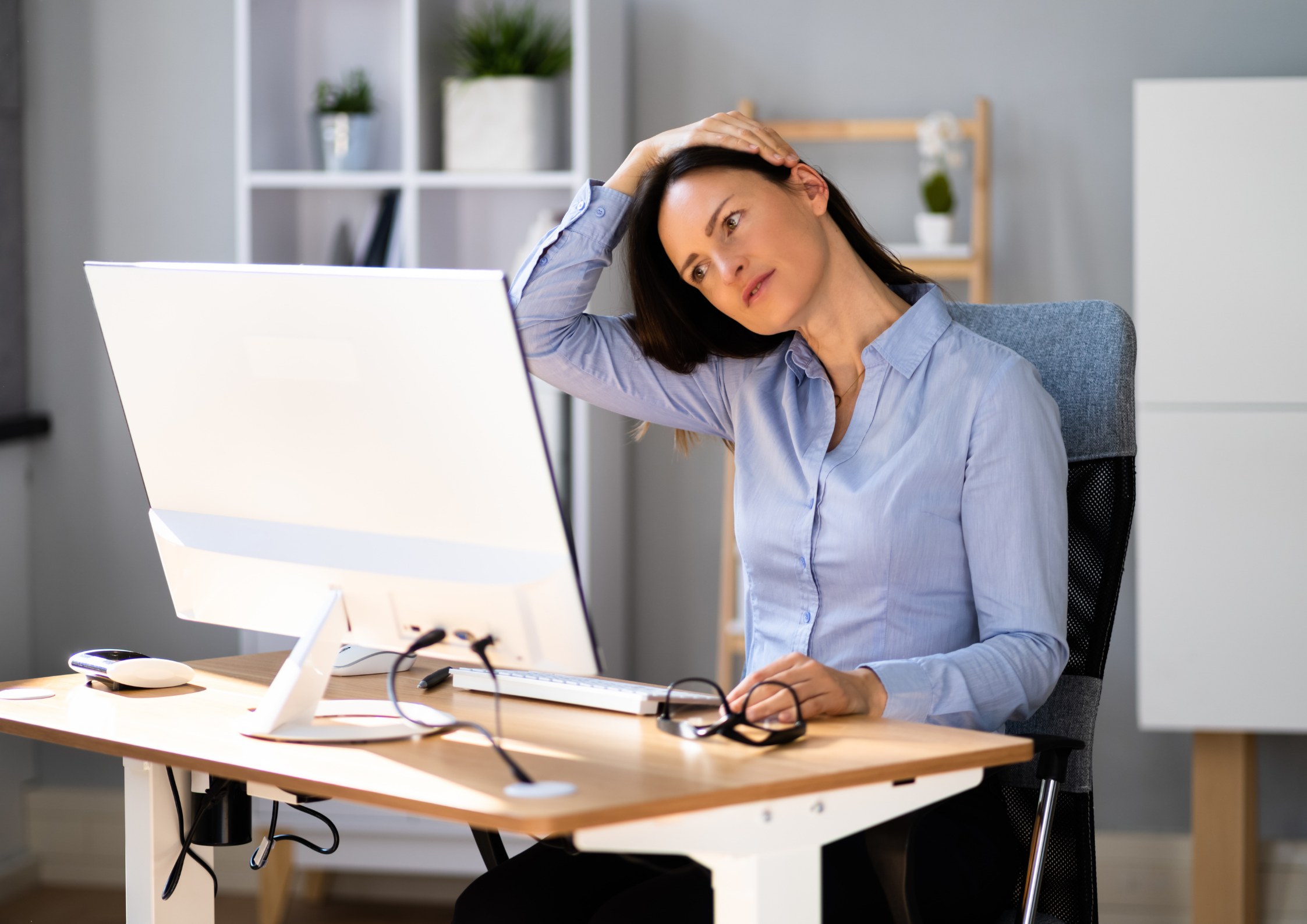
Neck Stretch
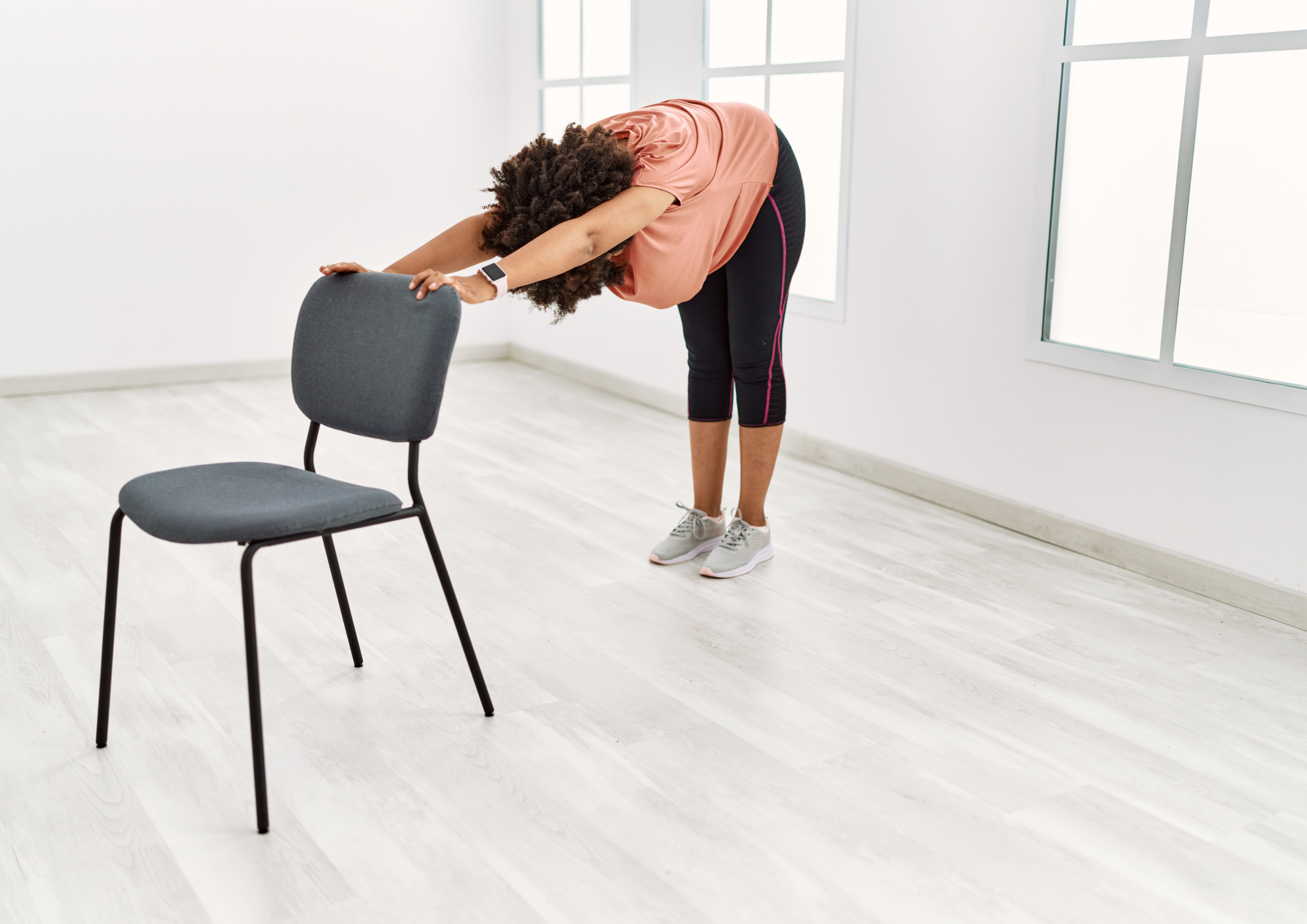
Back stretch
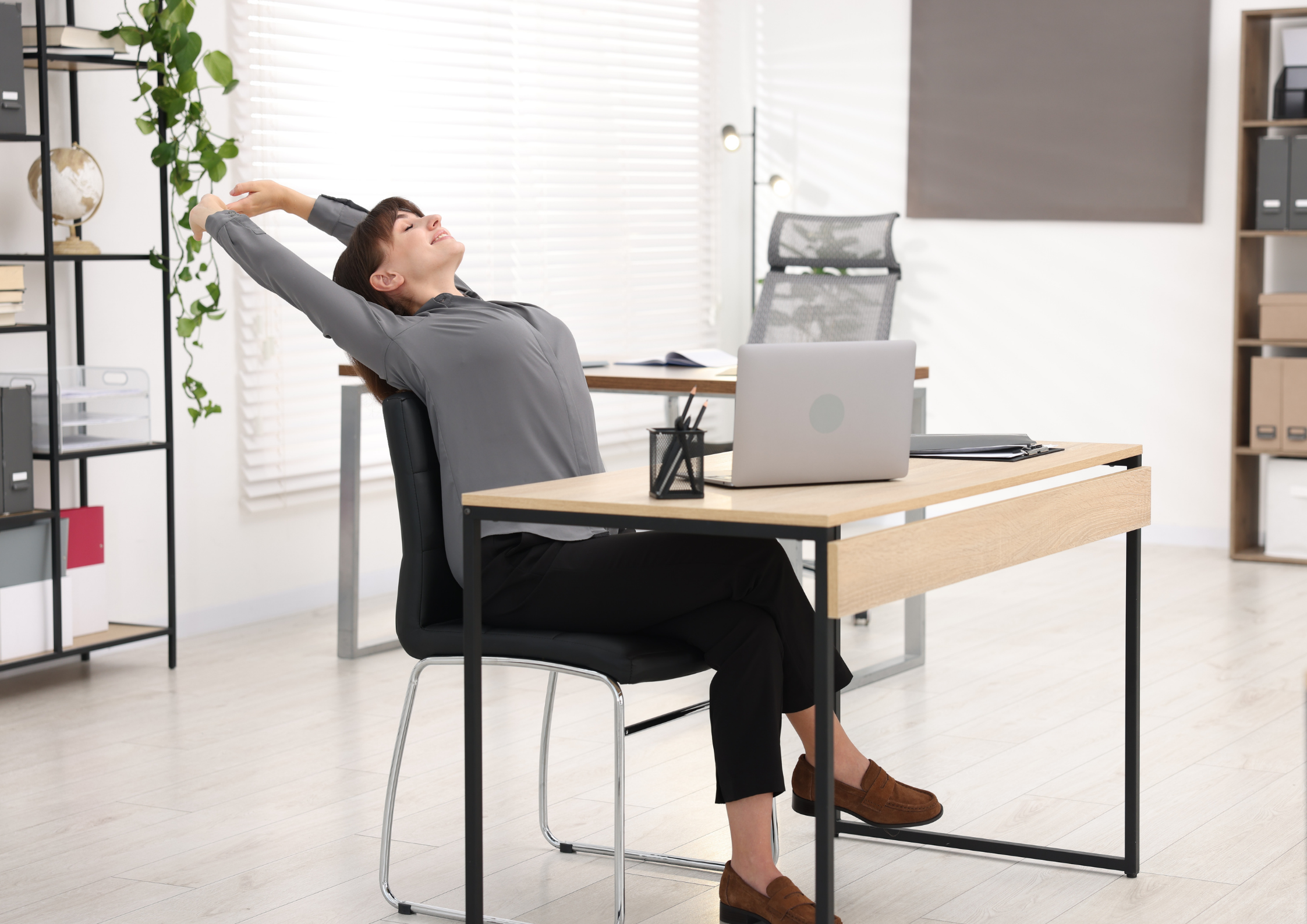
Shoulder stretch
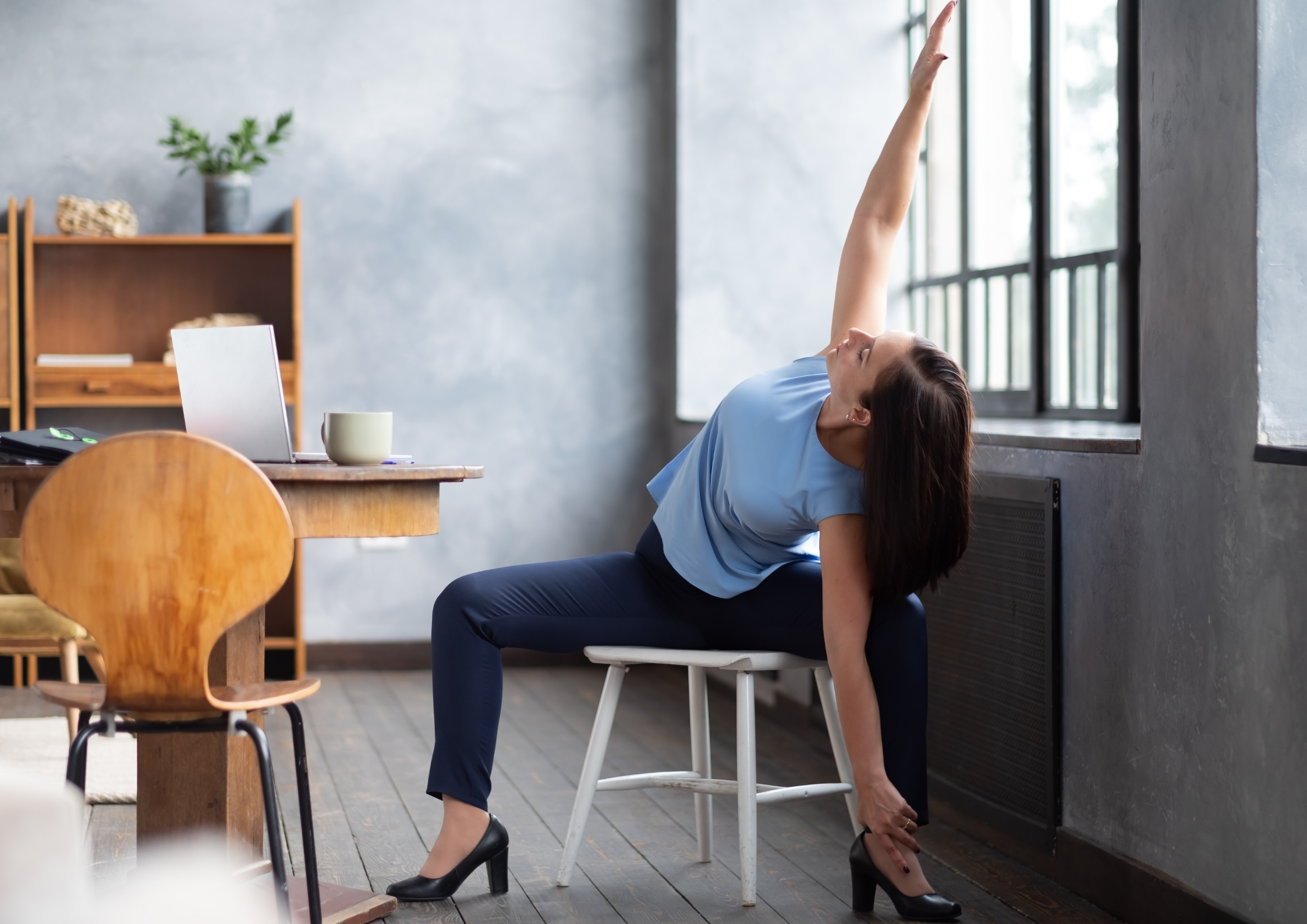
Hip stretch
Simple Daily Stretches for Prolonged Sitting
The following stretches help target the muscles most affected by desk work and sedentary habits:
- neck circles
- trapezius stretch
- shoulder stretch
- chest opener
- hip flexor stretch
- psoas stretch
- seated hamstring stretch
- calf stretch
Hold each stretch for 5–10 slow breaths and move gently without forcing the body.
Even a short 8–10 minute stretch break each day can help reduce tension, improve circulation, and restore mobility.
Move More, Sit Less
The body thrives through movement. When we spend too much time sitting, tension, weakness, fatigue, and imbalance gradually begin to accumulate. However, with awareness and consistent daily habits, we can begin reversing many of these effects.
Stretch often. Walk more. Breathe deeply. Strengthen your body. Rest when needed. Most importantly, remember that small changes repeated consistently create lasting transformation.
Your body is designed to move, adapt, and heal.